Most $2,000 retail treadmills end up as expensive clothes hangers within 24 months of purchase. You already know that a commercial-grade machine is the only way to get a club-quality workout at home, yet the $10,000 price tag on a brand-new unit is often a dealbreaker. Investing in a GymPros certified Startrac treadmill allows you to secure a 450-pound powerhouse for up to 70% less than its original MSRP. It’s the savvy way to bring elite performance into your space without the premium sticker shock.
We understand the anxiety of buying pre-owned equipment. You don’t want a “beaten up” machine that fails after a week or a console that requires an engineering degree to operate. This guide simplifies the process by explaining the critical differences between the 4, 8, and 10 series models. You will learn how to handle 20-amp electrical requirements and which OpenHub console fits your digital lifestyle. We’re here to ensure your investment lasts for the next 10 years. We’ll break down our rigorous refurbishment process and help you select the perfect series for your budget and fitness goals.
Key Takeaways
- Understand why the industry classifies Star Trac as a “workhorse” and how this commercial-grade reliability translates to your home or club.
- Decode the differences between the 8-Series, 4-Series, and S-Series to select the specific model that aligns with your performance goals and budget.
- See why investing in a certified pre-owned Startrac treadmill provides far better long-term value than purchasing a brand-new, plastic “disposable” home unit.
- Learn the essential technical requirements, including dedicated power circuits and space planning, to ensure your commercial machine operates safely and efficiently.
- Discover the GymPros certification process that uses sandblasting and powder-coating to deliver a refurbished machine that looks and performs like new.
Why Star Trac Treadmills are the “Workhorse” of the Fitness Industry
Star Trac has earned its place as the undisputed workhorse of the gym floor. As a flagship brand under the Core Health & Fitness umbrella, Star Trac shares a pedigree with industry giants like StairMaster and Schwinn. These machines are engineered for the relentless demands of commercial fitness environments, where equipment must perform for 18 to 24 hours a day without failure. When you invest in a Startrac treadmill, you’re buying a piece of industrial machinery designed to withstand over 100,000 miles of use. The design philosophy focuses on two pillars: user intuition and structural immortality. Every console is laid out to be walk-up ready. This ensures a first-time user can start a workout in under 10 seconds without needing a complex manual.
The Engineering of Durability
The heart of the 8-series and E-series is a massive 5.0 HP AC motor. Unlike the smaller DC motors found in residential units, these AC motors run cooler and provide consistent torque at low speeds. Star Trac uses 6061-T6 aluminum for its frames rather than powder-coated steel. Steel eventually rusts when exposed to the high salt content of human sweat. Aluminum remains corrosion-free for decades. This material choice extends the frame’s life by 40% compared to standard steel alternatives. It’s a primary reason why these units hold such high resale value in the secondary market. The drive system is built to handle users up to 500 pounds, making it a top-tier choice for any facility owner seeking investment-grade quality.
Soft Trac® Cushioning: Saving Your Joints
Impact management is where Star Trac separates itself from the pack. The proprietary Soft Trac® system uses a triple-cell neoprene rubber setup. Most treadmills use simple polymer bumpers that lose elasticity after 1,500 miles. Star Trac’s triple-cell design acts as a progressive shock absorber. It provides a soft landing at the point of impact while maintaining a firm push-off at the back of the stride. This specific tech makes a Startrac treadmill a top choice for runners with knee issues or those recovering from surgery. Data suggests this system reduces joint stress by up to 25% compared to running on asphalt. You get a surface that mimics the feel of a professional track, protecting your cartilage while you push your physical limits.
Decoding the Star Trac Series: 8-Series, 4-Series, and S-Series Compared
Star Trac has streamlined its product lineup to help gym owners and home users select the right level of durability for their specific needs. The brand is a vital part of the Core Health & Fitness portfolio, which gives it the engineering backing of a global leader in exercise science. Historically, the brand relied on E-Series (Elite) and S-Series (Standard) labels. Today, the numbered system creates a clear ladder of performance, ranging from compact studio units to massive, full-commercial powerhouses. This evolution ensures that whether you are running a 24-hour health club or a private garage gym, there is a Startrac treadmill designed for your duty cycle.
The 8-Series: The Premium Club Standard
The 8-Series is the definitive choice for high-traffic health clubs and serious endurance athletes. Every Startrac treadmill in this category is built to withstand constant use, featuring a powerful 5 HP AC motor that stays cool during back-to-back sessions. The technical specifications are designed for performance. You get a massive 21.5-inch wide belt, a 15% max incline for hill training, and a top speed of 12.5 mph. These machines utilize the Soft Trac® triple cell cushioning system, which absorbs 30% more impact than traditional decks.
The console technology is just as robust. The OpenHub™ ecosystem allows users to track workout data via Bluetooth or Ant+. You can choose between a simplified LCD or high-definition touchscreens that offer integrated TV and web browsing. This series is the investment-grade choice for facilities that cannot afford downtime. If you want the exact experience of a luxury gym in your own home, the 8-Series is the machine that delivers it.
The 4-Series & S-Series: Compact Commercial Power
The 4-Series has emerged as the sweet spot for high-end home gyms and boutique studios. It offers a space-saving footprint that is roughly 10 inches shorter than the 8-Series, yet it maintains a rugged, commercial feel. These machines typically feature a 3 HP DC motor and a 20-inch belt width. While the footprint is smaller, you still get a 15% incline and a 12 mph top speed. It is a professional-grade solution for users who have limited square footage but refuse to compromise on build quality.
The S-Series remains a reliable legacy option for those prioritizing value and straightforward mechanics. Both series are excellent foundations for a versatile fitness space. If you are building a complete training zone, you should consider adding complementary strength equipment like Hoist to balance your cardio routine. This combination allows you to secure a total-body solution while maintaining a cohesive, professional aesthetic. You can view our certified pre-owned inventory to see which series currently fits your budget and space requirements.

Commercial vs. Residential: Why a Refurbished Star Trac Beats a New “Home” Treadmill
Most $1,500 treadmills sold at big-box retailers are essentially disposable appliances. These units often fail within 36 months because they rely on plastic brackets, thin frames, and underpowered motors designed for light use. You’re paying for a brand-new warranty on a machine that simply isn’t built to last. Buying a refurbished commercial Startrac treadmill flips this script. You secure a rugged, industrial-grade machine that originally cost $10,000 or more for about 30% of the retail price.
The structural difference is massive. A standard home unit usually tops out at a 300-pound weight capacity. In contrast, Star Trac machines are engineered for 500-pound users running at 12 mph for 15 hours a day. This durability is why Core Health & Fitness, the parent company of Star Trac, is recognized as a leader in the global market for home fitness equipment. You aren’t just buying a used machine; you’re acquiring a refurbished tank.
The Gym Pros Refurbishment Advantage
We eliminate the risk of buying used through our rigorous 30-point certified refurbishing process. Our technicians don’t just clean the equipment. We replace high-wear items including the drive belt, the running deck, and the motor brushes. Every Startrac treadmill leaves our facility meeting or exceeding its original factory specifications. This is the savvy insider strategy: you get the performance of a brand-new club machine without the five-figure price tag. It’s a professional-grade solution for a fraction of the cost.
Long-term Maintenance and Parts Availability
Commercial equipment is designed for serviceability. Unlike generic home brands that stop stocking parts after a few years, Star Trac uses a standardized architecture. This makes sourcing replacement components straightforward and affordable. If a sensor or belt eventually wears out, you can find the part and often swap it yourself. We provide total peace of mind by offering extended warranty plans that cover both parts and labor. You get a machine that’s easier to maintain, lasts five times longer, and holds its resale value far better than any plastic home alternative.
Technical Requirements: Power, Space, and Maintenance for Your Star Trac
Investing in a Startrac treadmill brings club-level performance into your facility or home. These machines are built with rugged, industrial components designed for 24/7 operation. However, you cannot simply plug a commercial unit into a standard household outlet and expect peak results. You must prepare your environment to handle the weight, power draw, and safety footprints required by these investment-grade machines.
Electrical Setup: Don’t Blow Your Breakers
Star Trac units utilize high-torque AC motors that pull significantly more current than budget retailers’ DC alternatives. You need a dedicated 20-amp circuit to prevent frequent breaker trips. This means no other appliances, lamps, or computers can share the line. A standard home outlet is a NEMA 5-15R, but a commercial Startrac treadmill requires a NEMA 5-20R receptacle. This outlet features a unique “T-slot” to accommodate the specialized plug.
The Star Trac 8-TRx requires a dedicated 20-amp circuit and a NEMA 5-20R outlet to comply with the 2026 NFPA 70 safety protocols for high-draw commercial fitness equipment. Avoid extension cords entirely. Using one creates a fire hazard and starves the motor of voltage, which can lead to expensive controller board failures. If your workout room lacks a 20-amp line, hire a certified electrician to pull a new 12-gauge wire from your panel. It is a small price to pay to protect a high-value asset.
Space and Ceiling Height Considerations
Safety dictates the layout of your gym floor. You must maintain at least 8 feet of clear, unobstructed space behind the treadmill belt. This “safety zone” ensures that if a user falls, they are thrown clear of the machine rather than pinned against a wall. Floor loading is another critical factor. A fully assembled 8-Series treadmill weighs approximately 450 lbs. When you add a 250 lb runner, the dynamic load on your floor exceeds 700 lbs concentrated in a small footprint. Ensure your subfloor is reinforced or located on a concrete slab.
Ceiling height is often the most overlooked metric. Calculate your needs by adding the 10-inch “step-up height” of the machine to the height of your tallest user, then add 6 inches for head clearance during a running stride. If you are 6 feet tall, you need a minimum ceiling height of 7 feet 10 inches. Moving these 400+ lb machines requires a professional touch. We recommend using heavy-duty furniture dollies and removing door frames if your clearance is less than 36 inches. A level surface is mandatory; even a 1-degree tilt can cause the heavy commercial belt to track incorrectly and fray the edges.
Monthly Maintenance Checklist:
- Vacuum: Clean under the motor shroud and around the rear rollers to prevent dust buildup.
- Wipe Down: Use a non-acidic cleaner on the frame and handrails to prevent sweat corrosion.
- Belt Tension: Check for slipping or centering issues every 30 days.
- Hardware: Tighten upright bolts that may loosen from high-intensity vibrations.
Ready to secure a commercial machine for your space? Browse our certified pre-owned Star Trac inventory and save up to 70% off retail prices today.
The Gym Pros Certification: How We Restore Star Trac Treadmills
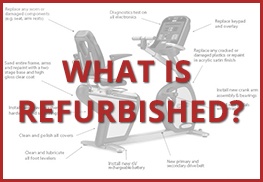
Your investment deserves more than a quick wipe-down. At our 30,000 square foot Gardena, California facility, we execute a rigorous remanufacturing process that transforms a used unit into a GymPros Certified machine. We don’t just fix parts; we rebuild the performance. Our team strips every Startrac treadmill frame down to the bare metal using industrial sandblasting. This process removes 100% of previous oxidation and surface wear. We then apply a fresh, electrostatically bonded powder coat to ensure the finish is as durable as the steel beneath it.
The mechanical overhaul is equally uncompromising. Our technicians perform a 25-point diagnostic check on all electronics and drive systems. We replace high-wear items like drive belts and deck bearings as a standard practice, not an afterthought. Every motor undergoes an amp-draw test to ensure it meets original factory specifications. Before any unit leaves our floor, it must pass a 48-hour burn-in test to guarantee total reliability. You get industrial-grade performance at up to 70% off retail costs.
White-Glove Delivery and Assembly
Commercial gym equipment often weighs between 300 and 600 pounds. Moving these units requires more than a standard delivery truck. Our professional installation teams handle the heavy lifting and the technical setup. We provide nationwide logistics to bring the gym to your doorstep in all 48 contiguous states. Once on-site, our technicians calibrate the incline motors and belt tension to ensure your Startrac treadmill performs perfectly from the first mile. This professional touch eliminates the risk of assembly errors and ensures your equipment is ready for immediate use.
Final Verdict: Is a Star Trac Right for You?
Star Trac represents the gold standard for users who value intuitive design and rugged durability. Whether you are outfitting a boutique studio or a high-end home gym, these machines offer an unbeatable value proposition. You secure premium quality without the premium price tag. Our consultants are ready to help you build a custom gym package that fits your specific space and budget. Don’t settle for residential-grade equipment when you can own an investment-grade machine that lasts for decades.
Take the next step in your fitness journey. Browse our current inventory of Star Trac Treadmills and secure your commercial-grade equipment today.
Secure Your Commercial-Grade Fitness Future
Investing in a Startrac treadmill means you’re bringing a 500-pound workhorse into your facility or home. These machines are engineered for 24/7 commercial abuse, offering a level of durability that flimsy retail models simply cannot match. By choosing a certified refurbished unit, you secure high-end 8-Series or versatile 4-Series performance at a price point that makes sense for your budget. GymPros brings over 20 years of technical expertise to every restoration, ensuring your equipment performs like it just left the factory floor. Our A+ BBB rating is backed by thousands of successful installs for professional athletes and commercial clubs alike. We remove the stress of logistics with our nationwide white-glove delivery and professional installation services. You deserve a machine that works as hard as you do without the premium retail markup. Take the next step toward a professional-grade workout environment with a partner you can trust.
Save up to 70% on Certified Refurbished Star Trac Treadmills Today!
Your journey toward elite performance starts with the right equipment, and we’re ready to help you cross the finish line.
Frequently Asked Questions
Is a Star Trac treadmill better than a Life Fitness or Precor model?
Star Trac units are preferred for their unique open-frame design and the iconic “hot bar” that puts essential controls within a 6-inch reach. While Life Fitness and Precor hold approximately 60% of the commercial market, a Startrac treadmill provides a distinct user interface that many athletes find more intuitive. Choosing between these top-tier brands often comes down to your preference for deck feel and console layout, as all three offer industrial-grade durability.
Do I need a special electrical outlet for a Star Trac treadmill at home?
Most commercial Star Trac models require a dedicated 20-amp circuit with a NEMA 5-20R outlet to operate safely. Standard residential outlets usually provide only 15 amps, which can lead to tripped breakers during high-intensity intervals or for users weighing over 200 pounds. You should verify your specific model requirements, as the 8-Series and E-Series typically demand this 120V configuration to protect the 5.0 HP motor from voltage drops.
How much does a refurbished Star Trac treadmill cost compared to new?
You can save between 50% and 70% off the original retail price by choosing a GymPros Certified remanufactured unit. A new Star Trac 8TRx often retails for $8,500 or more; however, a high-quality refurbished model typically costs between $2,800 and $3,500. This $5,000 price gap allows you to secure club-level performance and a rugged steel frame for the same price as a mid-tier residential machine.
What is the “Soft Trac” cushioning system and does it really work?
The Soft Trac system is a triple-cell cushioning technology designed to reduce joint impact by up to 25% compared to running on concrete. It utilizes neoprene rubber cells that absorb the initial shock of your foot strike while maintaining a firm surface for a powerful push-off. This mechanical design ensures the deck remains responsive for 15,000 miles of use, unlike foam-based residential decks that often lose their elasticity within 12 months.
Can I use a Star Trac treadmill for walking, or is it only for running?
Star Trac treadmills are engineered for both high-speed sprinting and low-speed walking with equal precision. The high-torque 5.0 HP AC motors maintain a consistent belt speed even at 0.5 mph, preventing the stuttering sensation often felt in 2.5 HP residential motors under heavy loads. Whether you’re power walking at a 15% incline or training for a 5-minute mile, the commercial-grade components provide a smooth and unwavering experience.
What happens if my refurbished treadmill needs a repair after the warranty?
You have access to a nationwide network of certified technicians and a steady supply of OEM parts even after your initial coverage ends. Because Star Trac is a global leader in fitness, parts like drive belts and wax-deck kits remain available through secondary markets for 10 to 15 years after a model’s release. We provide lifetime technical support via phone to help you diagnose issues and source components at wholesale rates.
What is the difference between the Star Trac OpenHub and the PVS console?
The OpenHub console focuses on digital connectivity and data sharing, while the PVS (Personal Viewing Screen) is a dedicated 15-inch entertainment display. OpenHub allows you to sync workouts with apps like Strava or MapMyRun via Bluetooth in under 5 seconds. In contrast, the PVS system integrates a television tuner so you can watch cable or satellite broadcasts directly on the machine’s mounted monitor while you train.
How long will a refurbished commercial Star Trac treadmill last in a home setting?
A GymPros Certified Startrac treadmill can easily last 15 to 20 years in a residential environment with basic quarterly maintenance. These machines are built to withstand 3,600 hours of annual use in high-traffic commercial clubs. When placed in a home where they might run for only 300 hours per year, the heavy-duty steel frames and industrial motors face significantly less stress, making them a true investment-grade purchase.